
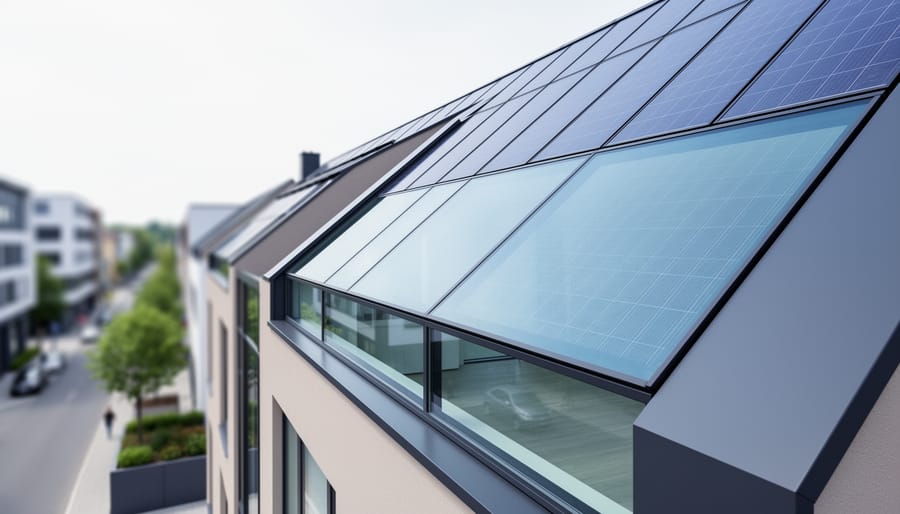
Integrated photovoltaics are solar energy systems built directly into a building’s architecture, serving as both structural components and power generators rather than add-on panels mounted after construction. Unlike conventional rooftop solar arrays that sit atop finished buildings, these systems become the roof tiles themselves, replace traditional windows with transparent solar glass, or form the building’s exterior cladding.
This approach matters because it transforms every sun-facing surface of a structure into potential energy infrastructure without compromising design intent. For architects and urban planners working in cities where space comes at a premium and aesthetic standards are stringent, integrated systems solve the visual disruption problem that has long plagued solar adoption in historic districts and high-design neighborhoods. The technology has matured considerably since its early prototypes, with manufacturers now offering products that match conventional building materials in durability and meet code requirements while generating meaningful power output.
The shift toward integrated photovoltaics reflects a broader evolution in how we think about energy in the built environment. Buildings account for roughly 40 percent of global energy consumption, yet most urban structures remain passive consumers rather than active contributors to the grid. Integrated systems flip this relationship by embedding generation capacity into the fabric of construction itself.
This article explains what sets integrated photovoltaics apart from standard solar installations, how the underlying technology converts sunlight within building materials, the main types available to designers and builders today, and where these systems make the most practical and economic sense in 2026. We’ll examine real applications, performance expectations, and the cost-benefit considerations that inform implementation decisions.
What Integrated Photovoltaics Mean for Modern Buildings
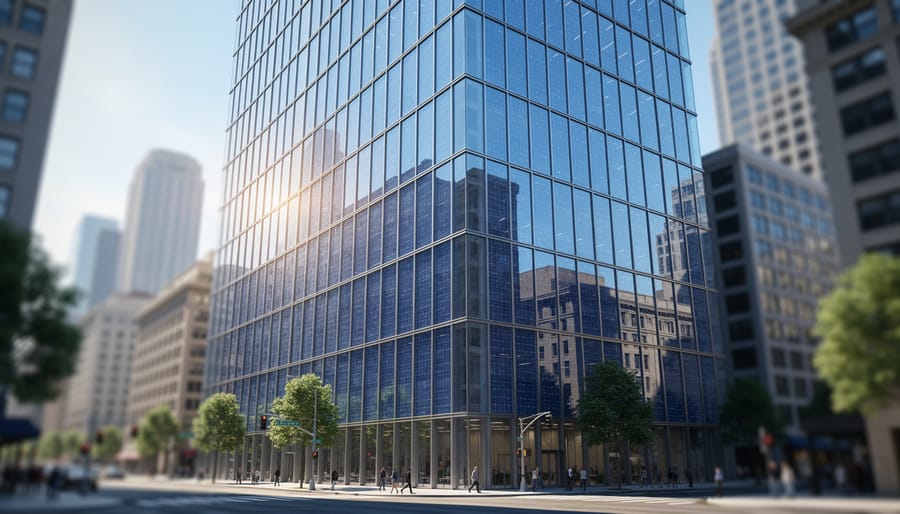
Integrated photovoltaics represent a fundamental shift in how buildings generate renewable energy. Unlike traditional rooftop solar panels bolted onto finished structures, these systems are integrated into building envelope components from the design stage. They replace conventional materials rather than adding to them.
The technology goes by the formal name Building-Integrated Photovoltaics, or BIPV. Think of photovoltaic glass that serves as both a window and a power generator, or roof tiles that protect from weather while producing electricity. The solar cells aren’t an add-on. They are the building material itself.
This dual-purpose approach creates what engineers call multifunctionality. A BIPV facade panel performs structural duties, provides weather protection, controls heat gain, and generates electricity simultaneously. That combination matters in dense urban environments where every square metre counts and adding bulky equipment to finished buildings often proves impractical or impossible.
- BIPV (Building-Integrated Photovoltaics)
- Photovoltaic materials that replace conventional building components like windows, facades, or roofing, serving both structural and energy-generation functions simultaneously.
- BAPV (Building-Applied Photovoltaics)
- Traditional solar panels mounted onto existing building surfaces after construction, functioning solely for energy generation without replacing structural elements.
- Multifunctional Solar Components
- Building materials engineered to perform multiple roles at once, such as weather protection, structural support, thermal management, and electricity generation.
- Solar Facade
- A vertical building surface incorporating photovoltaic technology into the exterior wall system, typically used on commercial towers and high-rises where vertical space exceeds horizontal roof area.
The distinction between BIPV and BAPV (Building-Applied Photovoltaics) is crucial. Applied systems are retrofits. Integrated systems are part of the original construction. That difference affects everything from structural engineering to cost calculations to architectural design freedom.
Urban architects value this integration because it solves a persistent problem: how to incorporate renewable energy without compromising aesthetics or consuming precious space. A glass tower clad in photovoltaic glazing looks like a modern office building, not a solar farm. The energy infrastructure disappears into the architecture itself, making renewable generation viable in contexts where traditional panels would face zoning restrictions or aesthetic objections.
How Integrated Photovoltaic Systems Work
From Sunlight to Electricity in Building Materials
When sunlight strikes a photovoltaic cell embedded in a window or facade panel, photons transfer their energy to electrons within the semiconductor material, typically silicon. This kicks electrons free from their atoms, creating an electrical current, the same process behind how solar works in any photovoltaic system. The key difference lies in how these cells are incorporated into building materials that must simultaneously handle structural loads, weather protection, or light transmission.
In solar glazing, thin-film photovoltaic layers are laminated between glass panes, allowing some visible light through while capturing solar energy. The cells are arranged with spacing between them or use semi-transparent materials, creating the balance between power generation and the need for natural daylight in occupied spaces. Metal contacts on the glass edges collect the generated current without blocking light.
For opaque facade panels and roofing products, crystalline silicon cells can be embedded in weatherproof encapsulation layers that protect against moisture and temperature extremes. The building material itself, whether composite cladding or roofing membrane, becomes the mounting structure, eliminating the need for separate racking systems. Each panel includes junction boxes where individual cell strings connect, maintaining electrical continuity across the building surface.
The direct current produced flows through concealed wiring integrated into the building envelope, running to a central collection point. Because the cells are part of the building fabric rather than mounted equipment, the installation demands coordination between electrical contractors and traditional building trades. Temperature management matters: building-integrated cells can run hotter than ventilated rooftop panels, slightly reducing efficiency, though manufacturers design materials to minimize this effect through thermal backing layers and airflow gaps.
System Integration and Energy Management
Once photovoltaic cells in windows or facades generate direct current electricity, that power must integrate into a functioning solar power system. Inverters convert DC to alternating current compatible with building circuits and utility infrastructure. In urban high-rises, these components often occupy mechanical rooms rather than rooftops, requiring careful coordination with existing electrical panels and fire safety systems.
Battery storage adds complexity but solves a critical urban challenge: peak demand often occurs after sunset when integrated facades stop generating power. Lithium-ion systems can store midday production for evening use, reducing grid dependence during high-rate periods. Many cities now mandate connection points for future battery retrofits in new construction.
Grid integration through inverters and grid-tied systems allows buildings to export excess generation, though local utility policies vary dramatically. Some urban areas offer net metering credits, while others cap feed-in capacity or require additional permits for commercial buildings. Energy management software monitors production, tracks consumption patterns, and optimizes when stored power discharges versus when the building draws from municipal supply, maximizing economic returns in time-of-use rate structures common to dense urban markets.
Main Categories of Integrated Photovoltaic Technology
Solar Facades and Curtain Walls
Solar facades convert the vertical exterior walls of buildings into energy-generating surfaces, offering substantial potential in cities where horizontal roof space is limited or shaded by neighboring structures. These systems replace or overlay traditional cladding materials with photovoltaic panels, maintaining the building envelope’s protective and insulating functions while producing electricity.
Vertical installations face different conditions than rooftop arrays. South-facing facades in the northern hemisphere receive the most direct sunlight, though east and west orientations capture morning and afternoon sun when many buildings experience peak energy demand. North-facing installations generate less power but can still contribute in climates with diffuse light or when architectural requirements dictate placement.
Urban environments introduce shading complications. Neighboring buildings, street furniture, and trees periodically block sunlight, reducing output. Modern facade systems incorporate bypass diodes that minimize power loss when portions of the array fall into shade, preventing shaded cells from dragging down the performance of illuminated ones.
Material options range from opaque crystalline silicon panels to semi-transparent thin-film technologies that allow daylight penetration while generating power. This flexibility lets architects balance natural lighting needs with energy production goals, particularly important for occupied spaces behind the facade where daylighting reduces artificial lighting demand.
Photovoltaic Glazing and Windows
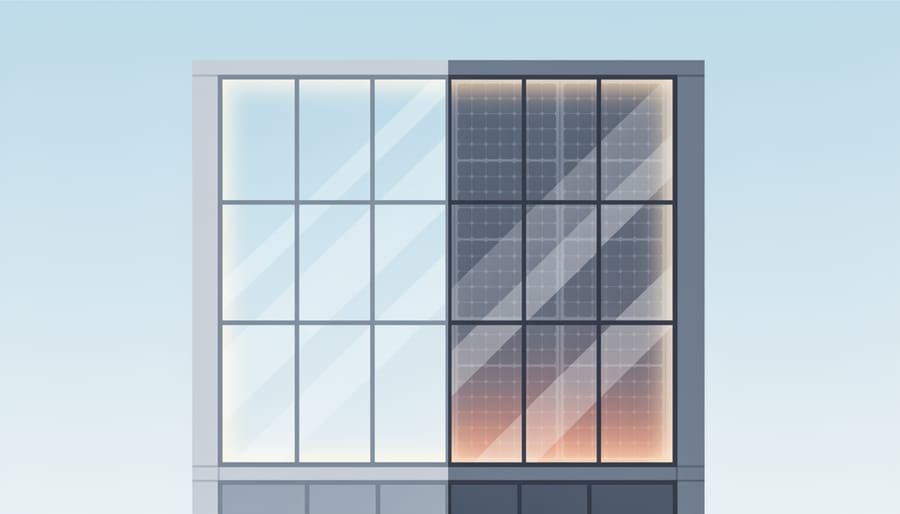
Windows that generate electricity while letting in natural light represent one of the most innovative applications of integrated photovoltaics. Photovoltaic glazing uses thin-film technologies or specially engineered crystalline cells embedded between glass panes to capture solar energy without completely blocking visibility.
The fundamental trade-off involves balancing visible light transmission with power generation. Semi-transparent photovoltaic windows typically allow 20-70% of visible light through, with higher transparency reducing electrical output. Darker, more efficient versions suit applications where natural light is less critical, like upper floor sections or spandrel panels between floors.
Thin-film technologies, including amorphous silicon and organic photovoltaics, enable flexibility in transparency levels and color tinting. Some systems use micro-patterned cells or selective coatings that absorb primarily ultraviolet and infrared wavelengths while transmitting visible light, minimizing the visual impact.
Commercial towers increasingly adopt photovoltaic glazing on south-facing facades where solar exposure is strongest, offsetting peak cooling loads. In residential settings, photovoltaic skylights and clerestory windows generate power while reducing heat gain. The technology works best in new construction where window framing and electrical integration can be designed together, though retrofit options exist for certain building types.
Solar Roofing Systems
Solar roofing systems replace traditional roofing materials with photovoltaic alternatives that generate electricity while protecting the building envelope. Unlike rack-mounted panels added atop existing roofs, these systems function as the waterproof barrier itself.
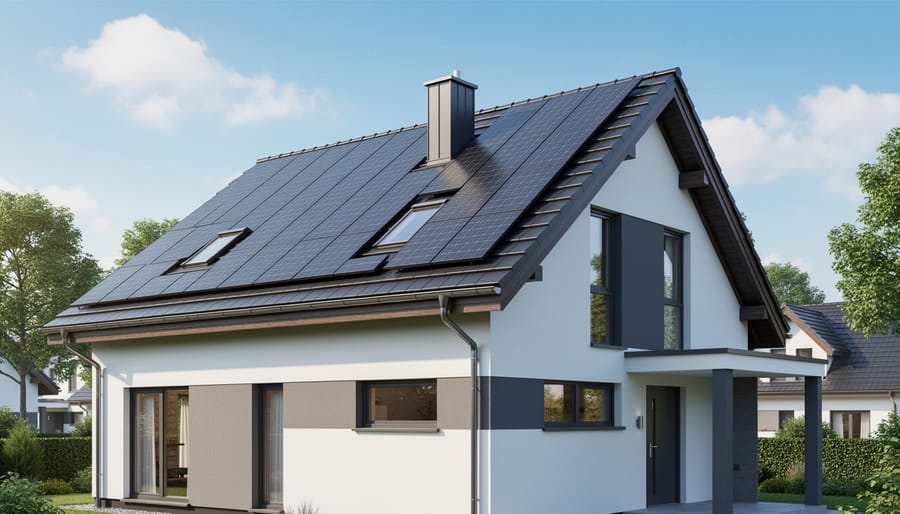
For pitched roofs common in low-rise urban buildings, photovoltaic tiles and shingles interlock like conventional clay or asphalt products. Individual units contain small solar cells connected through integrated wiring channels, allowing installers to work with familiar roofing techniques. These systems blend visually with surrounding architecture, which matters in historic districts or neighborhoods with design restrictions.
Flat roof applications, prevalent on commercial and multi-unit residential buildings, use flexible photovoltaic membranes or low-profile modules that meet structural load requirements while maintaining proper drainage slopes. These systems accommodate rooftop mechanical equipment and pedestrian access common in urban environments.
The electrical output depends on roof area, orientation, and local shading from adjacent buildings. South-facing pitched roofs in the Northern Hemisphere typically achieve higher energy yields than flat installations, though modern bifacial technologies capture reflected light from light-colored roof surfaces to improve flat roof performance. Installation costs run higher than conventional roofing but lower than traditional solar arrays plus separate roofing replacement.
Architectural Solar Elements
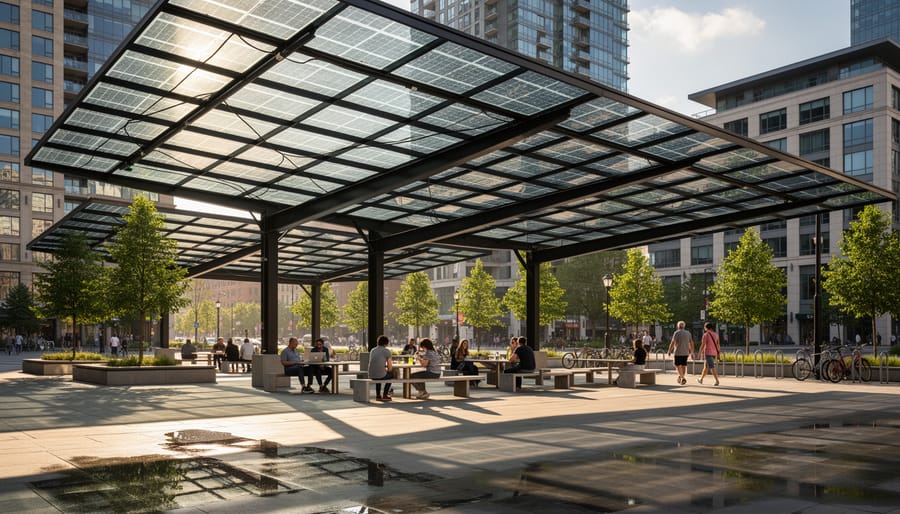
Beyond facades and roofing, integrated photovoltaics extend into architectural elements that combine energy generation with functional design. Canopies over building entrances, walkways, and outdoor seating areas provide shade and weather protection while harvesting solar energy. These structures work particularly well in urban settings where ground-level space is valuable but overhead areas remain underutilized.
Photovoltaic awnings and brise-soleil systems serve dual roles: controlling solar heat gain through windows while generating electricity. Architects adjust the angle, spacing, and transparency of these shading devices to balance daylight penetration with thermal comfort and power output. Fixed or adjustable louver systems can optimize seasonal sun angles.
Pergolas, carports, and transit shelter roofs represent additional opportunities for integration. These elements typically face less stringent building code requirements than primary structures, sometimes simplifying installation and approval processes.
The design flexibility of these applications allows architects to use photovoltaic modules as aesthetic statements. Colored cells, custom shapes, and varied transparency levels transform functional solar components into architectural features that define a building’s character while contributing to its energy independence.
Where and How Integrated Photovoltaics Are Applied
Commercial and Office Buildings
Commercial office buildings represent one of the most promising applications for integrated photovoltaic technology. These structures typically feature expansive glass facades and curtain walls, surfaces that can be transformed into energy-generating assets without sacrificing architectural vision. A 20-story office tower might have thousands of square meters of vertical facade area that would otherwise serve only as building envelope.
The match between energy generation and consumption patterns creates a compelling economic case. Offices consume most electricity during daylight hours when photovoltaic systems produce peak output. This alignment reduces reliance on grid power during expensive daytime rate periods, improving return on investment compared to purely residential applications.
Corporate sustainability commitments drive considerable adoption. Companies pursuing net-zero targets or green building certifications find that integrated photovoltaics help meet renewable energy requirements while maintaining the sleek, modern aesthetic that reinforces corporate image. The technology allows businesses to demonstrate environmental commitment visibly, the building itself becomes a statement about sustainability values.
Financial incentives further support implementation. Many jurisdictions offer tax credits, accelerated depreciation, or reduced permitting fees for buildings incorporating renewable energy systems. When combined with energy cost savings over a 25-30 year system lifespan, integrated photovoltaics can deliver measurable economic benefits alongside environmental ones.
Residential Urban Development
Multi-unit housing presents unique opportunities for integrated photovoltaics precisely because traditional rooftop arrays often prove impractical. When a dozen apartments share one roof, the available space per unit shrinks dramatically, making facade and balcony integration more viable than panels alone.
Apartment buildings benefit from embedding solar cells into balcony railings, sunshades, and south-facing cladding panels. These vertical surfaces generate power throughout the day while serving their original architectural purpose. In dense neighborhoods where buildings shade each other, dispersing generation across multiple building faces captures sunlight that a single rooftop system would miss.
Community solar arrangements work particularly well in multi-family developments. Residents share the electricity generated by integrated systems throughout the building envelope, with energy allocation handled through sub-metering or cooperative agreements. This approach spreads installation costs across multiple households while maximizing the building’s total solar-collecting surface area.
Urban housing cooperatives and new residential developments increasingly specify integrated photovoltaic facades during construction, when incorporating the technology costs significantly less than retrofitting. The shared investment model makes economic sense for residents who lack individual rooftop access but want renewable energy participation.
Public Infrastructure and Transit
Urban infrastructure projects represent some of the most practical applications for integrated photovoltaics because these structures already serve public functions while occupying valuable city space. Bus shelters with photovoltaic canopies generate power for lighting, digital displays, and heating elements while protecting passengers from weather. Cities from San Francisco to Amsterdam have deployed solar-equipped shelters that operate independently from the grid, reducing municipal energy costs and providing reliable service even during power outages.
Train stations and transit hubs offer extensive surface area through canopies, platform coverings, and facade systems. The transparent photovoltaic glazing used in station roofs allows natural light to reach platforms while generating electricity for escalators, lighting, and information systems. These installations work particularly well because transit facilities have consistent daytime operation that aligns with solar generation patterns.
Parking structures benefit from photovoltaic carport systems and facade integration that serve triple functions: generating electricity, providing shade for vehicles, and protecting the structure itself from weather degradation. Multi-story parking garages in dense urban areas can produce substantial power from their extensive horizontal and vertical surfaces. Some municipalities mandate solar installation on new parking facilities, recognizing the efficiency of combining these functions.
Pedestrian bridges, noise barriers along highways, and street furniture increasingly incorporate photovoltaic elements. These applications make productive use of surfaces that would otherwise serve single purposes, extracting maximum value from limited urban real estate while advancing renewable energy goals.
Benefits and Challenges in Urban Implementation
Integrated photovoltaics offer urban environments a compelling solution to space constraints that limit conventional solar deployment. Traditional rooftop panels compete with mechanical equipment, green spaces, and rooftop amenities on city buildings, while integrated systems utilize existing building envelope surfaces like facades and windows. This multifunctional approach maximizes electricity generation potential in dense urban areas where every square meter counts. The aesthetic integration also addresses common architectural objections to visible solar arrays, allowing landmark buildings and historic districts to incorporate renewable energy without visual disruption.
Economic barriers remain the most significant challenge for widespread adoption. Integrated photovoltaic materials typically cost two to three times more per watt than standard solar panels, and installation requires specialized trades familiar with both building envelope work and electrical systems. This complexity increases labor costs and project timelines. Building owners must weigh these premiums against reduced structural costs, since integrated systems replace conventional materials rather than adding to them, and against the operational savings from on-site energy generation.
Performance considerations add nuance to deployment decisions. Vertical facades receive less direct sunlight than optimally-tilted rooftop panels, reducing energy output per square meter. Urban shading from neighboring buildings further compounds this effect in city centers. However, integrated systems can capture morning and evening light on east and west facades when rooftop generation drops, potentially smoothing daily energy production curves in ways that benefit grid management.
Regulatory frameworks lag behind the technology in many jurisdictions. Building codes written for conventional construction don’t always address photovoltaic building materials, creating approval delays and uncertainty for developers. Electrical inspection standards vary, and some jurisdictions lack clear permitting pathways for facade-mounted generation. Fire safety codes, structural engineering requirements for load-bearing photovoltaic elements, and utility interconnection rules all require updating to accommodate integrated systems seamlessly.
Maintenance and replacement present long-term considerations that building owners must address upfront. Integrated systems are not designed for easy panel swapping like rooftop arrays. When a facade module fails or efficiency degrades after decades, replacement may require extensive scaffolding or building envelope work. Urban projects must factor these lifecycle costs and access challenges into financial modeling, alongside realistic efficiency degradation rates over 25-30 year building component lifespans.
Common Questions About Integrated Photovoltaics
Are integrated photovoltaics as efficient as traditional solar panels?
Most integrated photovoltaic systems achieve 10-18% efficiency, compared to 18-22% for conventional rooftop panels. The trade-off is intentional: integrated systems prioritize design flexibility, dual functionality, and building integration over maximum energy output per square meter.
How much more do integrated photovoltaics cost compared to regular solar panels?
Integrated systems typically cost 20-50% more than equivalent standalone panels when comparing just the photovoltaic component. However, total project costs can be competitive because integrated photovoltaics replace conventional building materials like glass facades or roofing, offsetting some of the premium through avoided material and installation expenses.
What is the expected lifespan of integrated photovoltaic systems?
Well-manufactured integrated photovoltaic installations can last 25-30 years, similar to traditional solar panels. The actual service life depends on product quality, exposure conditions, and whether the system components are properly specified for their specific building application and climate zone.
How much maintenance do integrated photovoltaic systems require?
Maintenance needs are generally minimal, involving periodic cleaning and visual inspections similar to the building elements they replace. Facade and window systems benefit from standard building cleaning schedules, while monitoring systems can alert building managers to performance issues before they become significant problems.
Can integrated photovoltaics be added to existing buildings?
Retrofit applications are possible but more challenging than new construction integration. The most practical retrofit options include replacement windows with photovoltaic glazing during scheduled upgrades, solar canopies over existing structures, or facade cladding systems designed to mount over existing exterior walls without major structural modifications.
Do integrated photovoltaics meet building codes and safety standards?
Reputable integrated photovoltaic products are engineered to meet the same building codes, fire safety standards, and structural requirements as the conventional materials they replace. Manufacturers typically provide third-party testing certifications, and projects must still undergo standard permitting and inspection processes for both building and electrical systems.
These practical questions reflect real concerns from decision-makers evaluating integrated photovoltaics for urban projects. Cost and efficiency comparisons help architects and developers set realistic expectations during project planning. Understanding that the technology involves trade-offs rather than pure performance metrics allows for better-informed design decisions that balance energy generation with aesthetic and functional building requirements. The maintenance and lifespan information addresses operational concerns from building owners managing long-term assets in urban environments.
Integrated photovoltaics represent a practical convergence of architecture and energy generation that addresses two fundamental constraints in urban environments: limited horizontal space and the pressing need for renewable power sources. By transforming building surfaces into active energy producers, these technologies allow cities to generate electricity where conventional solar installations simply cannot fit or would compromise architectural intent.
The technology’s value extends beyond mere space efficiency. When facades, windows, and roofing materials perform double duty as both structural elements and power generators, buildings reduce their reliance on grid electricity while maintaining the design coherence that defines successful urban spaces. This dual functionality matters particularly in dense city centers where every square meter serves multiple purposes and aesthetic considerations shape property values and community acceptance.
Cities across different climates and regulatory environments are testing varied approaches to building-integrated solar, from Tokyo’s transparent photovoltaic windows to Copenhagen’s solar-clad apartment blocks. These diverse implementations provide valuable data about what works in different contexts, helping architects, planners, and policymakers make informed decisions about when and how to specify integrated photovoltaic systems.
The technology continues evolving. Researchers are developing materials with improved transparency, efficiency, and durability, gradually closing performance gaps with traditional panels. Manufacturing processes are becoming more refined, potentially reducing costs that currently limit widespread adoption.
Whether integrated photovoltaics become standard practice or remain a specialized solution depends on how effectively the industry addresses cost barriers, streamlines installation processes, and demonstrates long-term performance. The conversation benefits from rigorous assessment of both capabilities and limitations, ensuring urban energy strategies rest on realistic expectations rather than aspirational claims.